
Understanding CAM Charges in Northern Michigan Commercial Leases: 2026 Guide
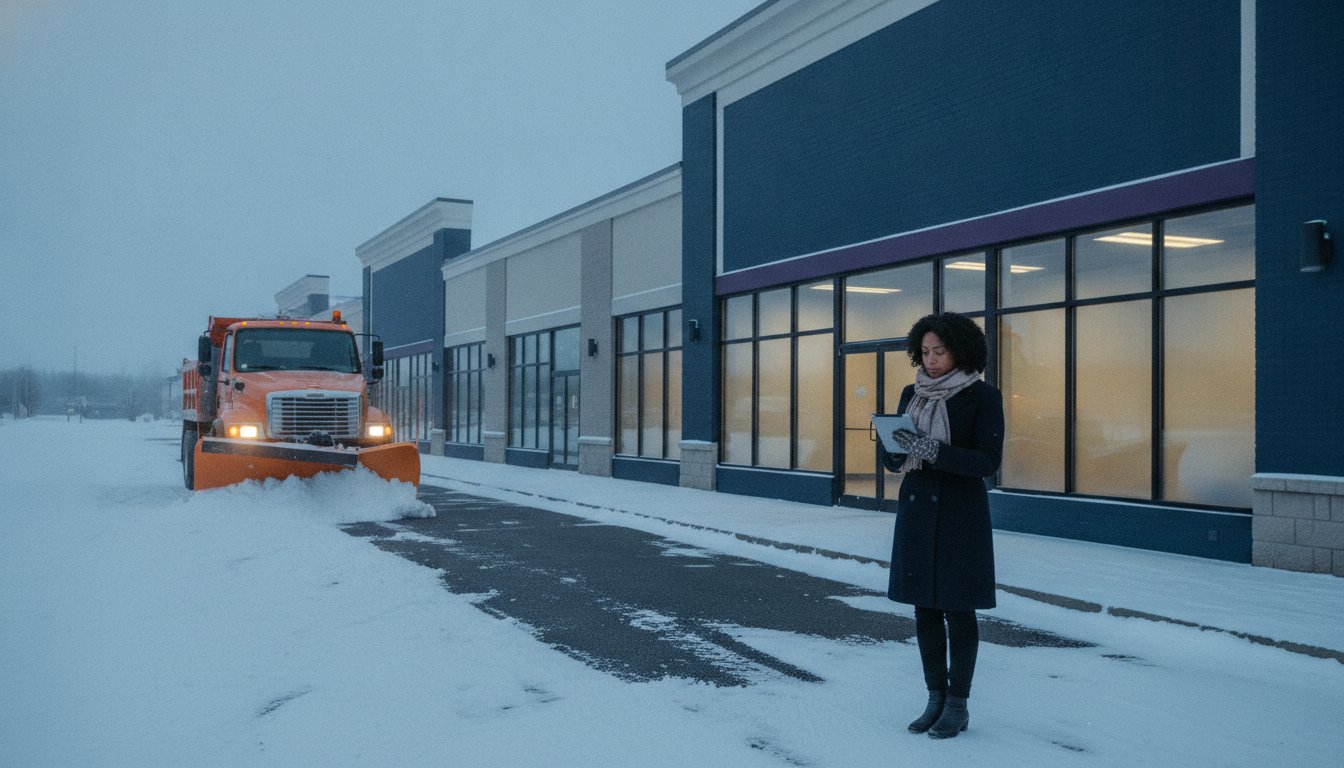
In the Northern Michigan commercial landscape, a single lake-effect snowstorm represents more than just a logistical hurdle; it functions as a critical stress test for your lease's financial structure. Managing the volatility of seasonal maintenance costs requires more than a general understanding of real estate. It demands a systematic approach to property oversight. You've likely experienced the frustration of unpredictable billing spikes or the lack of transparency during year-end reconciliations, which can disrupt even the most disciplined business plan. We recognize that these financial inconsistencies create unnecessary friction in what should be a stable, professional partnership between landlord and tenant.
This 2026 guide will provide you with the technical framework to master CAM charges Northern Michigan, ensuring your pro-rata share is calculated with precision and fairness. By analyzing current regional trends and standardized reporting methods, you'll learn how to transform complex maintenance fees into predictable monthly expenses. We'll explore the specific variables affecting Emmet and Charlevoix counties, from vetted vendor networks to the impact of recent infrastructure improvements. This analysis gives you the tools to maintain a high-quality commercial environment that consistently attracts customers while protecting your bottom line.
Key Takeaways
- Learn to distinguish between base rent and operating expenses to ensure total financial transparency within the Petoskey and Boyne City commercial markets.
- Identify snow removal as the most volatile variable impacting CAM charges Northern Michigan and understand how to budget for these seasonal fluctuations.
- Master the pro-rata share calculation formula to verify that your billing accurately reflects your occupied square footage and actual property usage.
- Discover strategic negotiation techniques, such as implementing CAM caps, to protect your operations from sudden annual cost spikes and unpredictable maintenance reconciliations.
- Understand how standardized reporting and local vendor networks in Emmet and Charlevoix counties provide the technical oversight necessary to lower long-term overhead.
What are CAM Charges in Northern Michigan Commercial Real Estate?
In the technical framework of a commercial lease, Common Area Maintenance (CAM) represents the operational expenditures required to sustain the functionality and aesthetic standards of a shared property. For businesses evaluating CAM charges Northern Michigan, it's essential to recognize that these fees are distinct from base rent. While base rent covers the exclusive use of a specific suite, CAM fees represent your proportional contribution to the building's collective operating expenses. In high-traffic resort markets like Petoskey and Boyne City, these charges aren't merely administrative; they're investments in the property's marketability and long-term asset value.
The calculation of these charges relies on the pro-rata share, a formula determined by dividing your specific square footage by the total rentable area of the building. This ensures that a boutique retailer in a downtown district pays a smaller portion of the maintenance overhead than a large-scale anchor tenant. Maintaining these standards is particularly critical in Northern Michigan's tourism-driven economy, where "curb appeal" and infrastructure reliability directly correlate with foot traffic and revenue generation. Without consistent upkeep, the competitive advantage of a premium location can quickly diminish.
Common Areas vs. Leasable Space
Precise definitions of shared spaces are the foundation of a fair lease agreement. Common areas typically include parking lots, lobbies, public restrooms, and sidewalks. In Northern Michigan's increasingly popular mixed-use developments, where commercial storefronts sit below residential units, the distribution of maintenance costs requires rigorous accounting. We focus on standardizing the measurement of 'Usable' versus 'Rentable' square feet to maintain clarity. Usable square footage accounts for the space you physically occupy, while Rentable square footage includes your share of the building's common elements. Miscalculating this ratio leads to significant billing discrepancies over a multi-year lease term.
The Role of the Property Manager in CAM Administration
Effective administration of CAM charges Northern Michigan requires professional oversight to eliminate billing errors and mitigate tenant disputes. As occupancy rates in Emmet and Grand Traverse counties saw a 14% year-over-year increase in early 2026, the demand for high-quality maintenance has intensified. Van Treese Management utilizes standardized financial reporting systems to provide commercial owners and tenants with transparent data. This structured approach prevents the "reconciliation shock" that often occurs at year-end. By leveraging a vetted network of local contractors, we ensure that maintenance tasks are executed efficiently, keeping operating expenses within predictable parameters despite the maturing regional market trends.
Common Expenses Included in Northern Michigan CAM Fees
The financial architecture of CAM charges Northern Michigan is heavily influenced by the region's unique geography and climate. Identifying specific line items within your lease is the first step toward cost predictability. These expenses generally fall into two categories: fixed costs, such as property insurance and real estate taxes, and highly variable operational costs. In a Triple Net (NNN) lease structure, these charges are passed through to the tenant to ensure the property remains structurally sound and competitive in the local market.
Real estate taxes and insurance form the "Triple" in many regional agreements. With the median listing price in Emmet County reaching $895,750 in mid-2026, tax assessments are a significant component of the reconciliation process. Shared infrastructure maintenance, covering HVAC, plumbing, and electrical systems, must be managed proactively. This technical oversight prevents costly emergency repairs that can disrupt business during the peak summer tourism season.
Seasonal Maintenance Realities: Snow and Salt
Snow removal is the primary variable expense for commercial properties in Petoskey, Gaylord, and the surrounding Snow Belt. Professional management goes beyond clearing lots; it requires a strategic response to lake-effect weather patterns that can dump several feet of snow in a single day. Salt application is critical, yet it presents a technical challenge. Excessive use leads to structural damage on sidewalks and entryways, necessitating more frequent repairs. Seasonal load refers to the cumulative weight and moisture retention of accumulated snow that necessitates periodic structural inspections of Northern Michigan commercial roofing systems. Effective maintenance coordination ensures these seasonal stressors are handled without compromising the building's integrity.
Administrative and Security Costs
Administrative fees cover the professional oversight required to manage vendor contracts and CAM charges Northern Michigan financial reporting. When negotiating CAM charges, you've got to understand how these management fees are capped and what services they include. In downtown retail districts, security costs include common area lighting and monitoring systems to protect high-value inventory. Waste removal and recycling services are also consolidated under CAM to maintain a clean, professional environment for all tenants. By centralizing these services, property managers leverage a vetted network of local contractors to drive down costs while maintaining high service standards.
How CAM Charges are Calculated and Reconciled
The calculation of CAM charges Northern Michigan follows a precise mathematical formula designed to distribute operational costs fairly across all occupants. This formula—Total CAM Expenses multiplied by the quotient of Tenant Square Footage divided by Total Building Square Footage—establishes your pro-rata share. While the formula itself is straightforward, the complexity lies in the underlying data. Accurate financial reporting is essential, as even minor discrepancies in square footage measurements can result in significant annual overpayments. Understanding how Michigan landlord laws govern these transactions ensures that billing remains transparent and legally compliant for all parties involved.
Most commercial agreements categorize these charges as either fixed or variable. Fixed CAM structures are less common in Northern Michigan because they don't account for the region's intense seasonal shifts. Variable CAM structures are the industry standard here, allowing the budget to adjust based on real-world maintenance requirements. This flexibility is necessary to handle the unpredictable nature of heavy lake-effect snow or emergency infrastructure repairs. Relying on a variable structure requires a high degree of trust in the property's financial management, making professional oversight a critical component of the lease relationship.
The Triple Net (NNN) Lease vs. Gross Lease
The Triple Net (NNN) lease has become the benchmark for commercial property management in Northern Michigan. In this model, the tenant pays a lower base rent but assumes responsibility for their share of taxes, insurance, and maintenance. Conversely, a Gross lease bundles these costs into a single monthly payment. While the Gross lease offers immediate predictability, it often masks the true cost of operations. For Petoskey business owners, the NNN structure provides greater control and transparency, as you only pay for the actual services rendered rather than a padded estimate hidden within the rent. This structure also incentivizes the landlord to maintain the property efficiently to keep tenant costs competitive.
The Annual Reconciliation (The 'True-Up')
The reconciliation process, often called the "true-up," is the final step in the annual financial cycle. Landlords typically bill tenants based on estimated costs established at the beginning of the fiscal year. In 2026, market standards dictate that landlords provide a detailed reconciliation statement within 90 to 120 days of the year's end. If actual snow removal costs in Boyne City exceeded the January estimate due to a particularly harsh winter, the tenant is responsible for the difference. If costs were lower, the tenant receives a credit toward future rent. This process ensures the landlord doesn't profit from CAM charges and the tenant only pays for verified expenditures. Prompt and accurate reconciliation is the hallmark of a disciplined management system.
Negotiating and Auditing Your CAM Charges
Negotiation in a commercial lease is a technical process of defining the boundaries of financial responsibility. For tenants and landlords alike, the objective is to establish a framework that ensures property standards without exposing either party to unchecked volatility. When addressing CAM charges Northern Michigan, the most effective leverage point is the distinction between controllable and uncontrollable expenses. Uncontrollable costs, such as property taxes in Emmet County or regional utility rate hikes, are generally passed through without a cap. However, controllable expenses like landscaping, administrative fees, and non-emergency repairs are subject to negotiation. Establishing these limits early in the lease preparation phase prevents the 20% annual spikes that can destabilize a business's operational budget.
For those investing in rental property in Northern Michigan, clear CAM strategies are essential for maintaining a predictable return on investment. Implementing a "CAM Cap" is a standard industry practice that limits the annual increase of controllable expenses to a fixed percentage, typically between 5% and 8%. This creates a disciplined environment where the property manager is incentivized to maintain vendor efficiency. Without these contractual safeguards, tenants remain vulnerable to the "reconciliation shock" discussed in previous sections, particularly when seasonal maintenance costs fluctuate during high-growth years like 2026.
Key Clauses to Watch in Commercial Leases
A well-structured lease must explicitly exclude capital expenditures from the CAM pool. While routine maintenance of a roof is a shared expense, a full roof replacement is a capital improvement that enhances the landlord's long-term asset value and should not be billed to tenants. Administrative fees should also be scrutinized; a fair management fee typically ranges from 3% to 5% of the total CAM charges Northern Michigan. We also recommend including a "termination of services" clause. This protects the tenant by allowing for rent offsets if common areas, such as parking lots or entryways, aren't maintained to the professional standards defined in the agreement.
The Audit Checklist for Commercial Tenants
The right to audit is a critical transparency tool that ensures billing accuracy and landlord accountability. Tenants should conduct a periodic review of the following items:
- Original Invoices: Request copies of third-party bills for major repairs and snow removal to verify that no markups have been added beyond the agreed administrative fee.
- Tax Assessments: Cross-reference the property tax line item with public records from Emmet or Charlevoix County to ensure the pro-rata share matches current 2026 assessments.
- Insurance Verification: Confirm that the building's master policy doesn't overlap with individual tenant requirements.
Double-dipping in insurance coverage is a common audit red flag that occurs when a landlord attempts to recover premiums through CAM that are already factored into the base rent or covered by a tenant's separate liability policy. If you require assistance in verifying these complex financial statements, our team provides comprehensive financial reporting and accounting services to ensure every dollar spent on maintenance is accounted for with engineering-grade precision.
Professional Commercial Management in Petoskey and Beyond
Professional management in the commercial sector requires a disciplined, process-oriented approach to ensure long-term property stability and financial predictability. Van Treese Management implements standardized systems that transform the often-opaque nature of CAM charges Northern Michigan into a structured, transparent financial framework. By serving as a technical bridge between landlords and tenants, we eliminate the friction typically associated with annual reconciliations. Our methodology focuses on the precise execution of lease terms, ensuring that every maintenance dollar is allocated with engineering-grade accuracy to protect the asset's market value.
A central component of our strategy involves shifting the operational paradigm from reactive repairs to proactive oversight. By focusing on rental property maintenance in Northern Michigan that anticipates structural needs, we mitigate the risk of sudden infrastructure failures that lead to unbudgeted expenses. This disciplined maintenance coordination ensures that common areas remain in peak condition, fostering a professional environment that supports tenant retention and business growth. When property systems are managed within strictly defined parameters, the entire commercial community benefits from lower long-term overhead and increased operational reliability.
Standardized Systems for Financial Transparency
Our commitment to financial precision is reflected in our detailed monthly reporting for property owners and clear, itemized billing for tenants. We use historical data to predict and smooth out the seasonal maintenance spikes that characterize the Northern Michigan market. This data-driven approach allows for more accurate budgeting at the start of the fiscal year, reducing the magnitude of year-end true-ups. While our systems are highly automated and tech-driven, we maintain a firm commitment to human interaction. Our team is always available to provide technical explanations of billing statements, ensuring that all parties have a complete understanding of their financial obligations.
Leveraging Local Vendor Relationships
The efficiency of a property's maintenance program depends heavily on the quality of its vendor network. We've cultivated a vetted network of local Northern Michigan contractors who understand the specific challenges of operating in Emmet and Charlevoix counties. This Petoskey-based network allows us to secure competitive rates for high-volume services like snow removal and landscaping, which directly lowers the CAM charges Northern Michigan businesses must absorb.
Our vendor partnerships also include a 24/7 emergency response protocol. This capability is essential for protecting commercial assets from the harsh realities of Northern Michigan winters, such as burst pipes or roof failures during heavy snow loads. By maintaining full control over these processes, we ensure that every property under our care operates at the highest professional standard. If you're seeking a partner to bring stability and transparency to your commercial operations, contact Van Treese Management for a commercial consultation today.
Securing Financial Predictability in the Northern Michigan Market
Mastering the technical framework of CAM charges Northern Michigan is essential for any commercial entity seeking long-term financial stability. By implementing standardized reconciliation protocols and establishing clear boundaries between controllable and uncontrollable expenses, you eliminate the volatility associated with seasonal maintenance. A disciplined approach to lease administration ensures that property standards remain high without compromising your operational budget. This structured oversight provides the transparency needed to maintain a professional partnership between landlords and tenants.
We specialize in providing the technical oversight necessary to manage these complexities across the Petoskey, Traverse City, and Boyne City markets. Our methodology relies on a vetted network of local contractors and standardized financial reporting systems to ensure every maintenance dollar contributes to the property's long-term value. This level of precision creates a stable environment where both owners and occupants thrive under a transparent management structure. Optimize your commercial property's performance with Van Treese Management to ensure your assets are protected by local expertise and rigorous management systems. Every successful commercial operation begins with a foundation of clarity and professional accountability.
Frequently Asked Questions
What is a typical CAM charge per square foot in Northern Michigan?
Typical charges are highly specific to the property's location, age, and maintenance intensity. In premium markets like Petoskey or Traverse City, these costs vary based on the building's service requirements and shared infrastructure. Tenants should review the previous three years of reconciliation statements to establish a baseline for their specific sub-market rather than relying on generic regional averages.
Can a landlord include capital improvements, like a new roof, in CAM charges?
Standard commercial leases generally exclude capital improvements from maintenance fees. A roof replacement or parking lot repaving is a capital expenditure that enhances the landlord's long-term asset value. CAM fees are strictly reserved for routine operational repairs and maintenance. You should ensure your lease agreement explicitly defines these exclusions to prevent improper billing during the reconciliation process.
How often should CAM charges be reconciled in Michigan?
Annual reconciliation is the standard practice for commercial properties across the state. This process typically occurs within 90 to 120 days after the fiscal year ends. It involves a technical comparison of the estimated monthly payments against the actual expenditures. This "true-up" ensures that the final billing accurately reflects the verified costs of property operations.
Does snow removal always fall under CAM expenses?
Snow removal is almost universally categorized as a common area expense in this region. Because shared parking lots and entryways are essential for property access, the costs for plowing and salting are distributed among all occupants. This service often represents the most significant variable in CAM charges Northern Michigan agreements due to the region's intense lake-effect weather patterns.
What is the difference between a CAM cap and a base year stop?
A CAM cap limits the annual percentage increase of controllable expenses, such as landscaping or administration. A base year stop establishing a fixed threshold of operating expenses that the landlord covers, with the tenant paying any costs that exceed that initial amount. Caps provide better predictability for year-over-year budget increases, while stops are more common in full-service office leases.
What should I do if I suspect my CAM charges are being overbilled?
You should immediately exercise your contractual right to a formal audit. Request original invoices and vendor contracts to verify that the charges align with the services rendered. If discrepancies are found, professional management consultants can perform a technical review of the financial reporting. This ensures that your payments remain within the parameters defined by your lease agreement.