
Petoskey Rental Market Analysis: 2026 Trends for Northern Michigan Investors
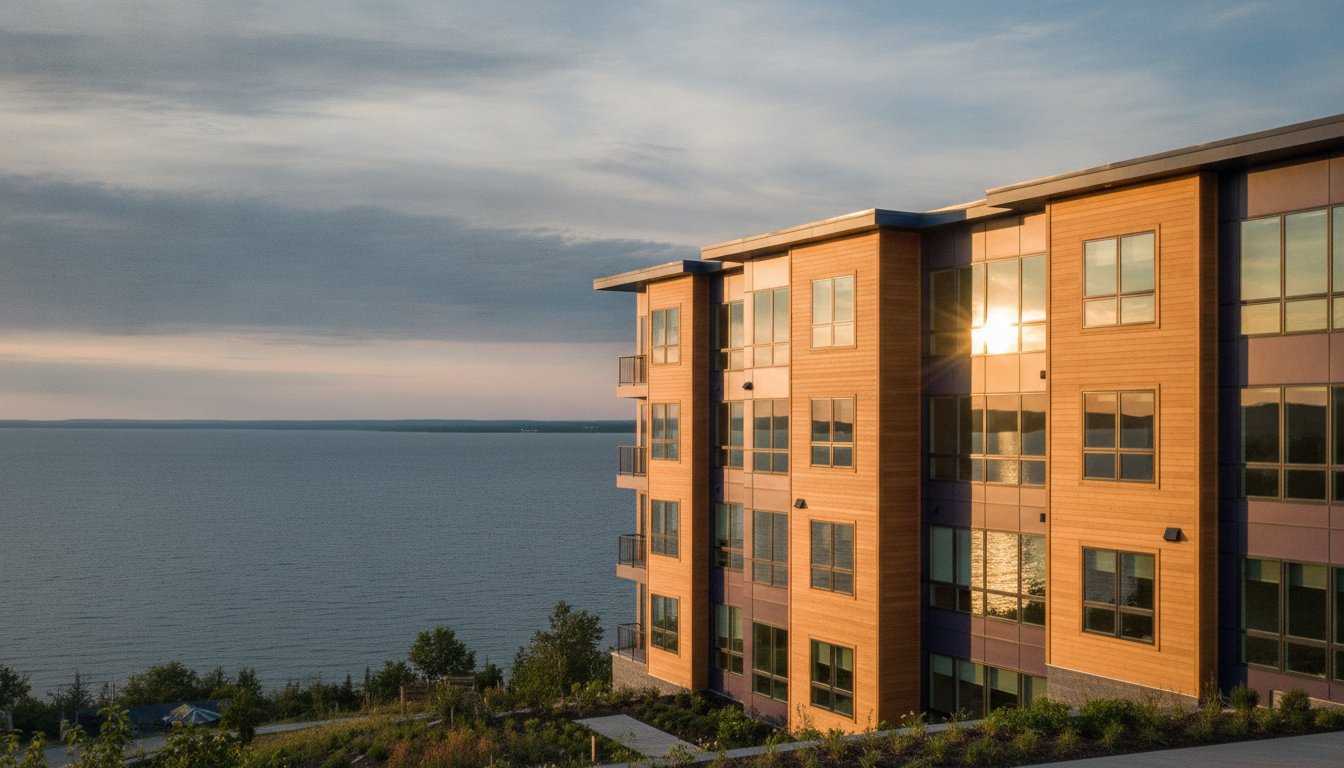
While short-term rental listings in Petoskey have decreased by 8.6% since June 2025, the volume of available long-term rental inventory has surged by over 266% year-over-year. This significant pivot suggests that the 2026 Petoskey rental market is entering a phase of professionalization where stability and technical management outweigh speculative gains. We agree that the increasing complexity of Michigan landlord-tenant laws and rising maintenance coordination costs make it difficult to maintain the disciplined oversight required for consistent returns.
This article provides a data-driven analysis of the current landscape to equip you with the strategic insights needed to optimize ROI and mitigate vacancy risks. We'll examine the latest average rent benchmarks, analyze the impact of local licensing ordinances, and detail the standardized systems essential for long-term compliance and financial performance. By focusing on technical precision and operational efficiency, you can secure a resilient position in Northern Michigan's evolving property sector.
Key Takeaways
- Identify the current market cycle shift from rapid expansion to stabilization and understand what this means for Northern Michigan property values in 2026.
- Compare the operational overhead of short-term vacation rentals against the long-term Petoskey rental market to determine which model offers superior risk-adjusted returns.
- Analyze how rising property tax rates and insurance premiums are impacting net operating income and learn strategies to offset these macroeconomic pressures.
- Review essential compliance updates for the Michigan Landlord-Tenant Relationship Act, specifically regarding security deposit limits and lease execution protocols.
- Learn how implementing standardized, innovation-driven management systems can reduce vacancy risks and streamline maintenance coordination during Northern Michigan's severe weather seasons.
The State of the Petoskey Rental Market in 2026
The Petoskey rental market in 2026 is characterized by a definitive shift toward institutional stabilization. After several years of aggressive price appreciation and inventory volatility, the current landscape reflects a mature ecosystem where technical management and data-driven decisions are the primary drivers of success. Verified data from July 2026 shows an average monthly rent of $1,622 across all property types. This represents a modest year-over-year increase of $22, signaling that the market has moved past the era of unpredictable spikes into a phase of sustainable, incremental growth.
Investors should view this as a transition from a speculative growth cycle to a value-retention cycle. As the primary economic and cultural engine of Emmet County, the region maintains its status as a high-demand hub. Understanding the geographic and demographic foundations of About Petoskey, Michigan provides essential context for why this area continues to outperform surrounding rural markets. The city's ability to sustain high occupancy levels in 2026 stems from a diversified economy that has successfully integrated year-round professional services with its traditional tourism base.
Demographic Shifts and Housing Demand
The "work-from-anywhere" professional influx that began years ago has now fully integrated into the local community. These residents prioritize long-term residential stability over the transient nature of seasonal stays. We also see significant demand coming from the regional healthcare and service sectors, where specialized staff require reliable, high-quality housing near major employment centers. In 2026, the Petoskey rental market exhibits a tightening demand-to-supply ratio as the 266.67% increase in available inventory is steadily absorbed by a growing workforce seeking permanent residency rather than vacation lodging.
Inventory Levels and Vacancy Rates
While the total volume of available rental listings has increased substantially, the composition of that inventory is uneven. Single-family residential units continue to show the lowest vacancy rates, as families and long-term professionals compete for limited detached housing options. Multi-family units have seen a slight increase in availability due to several new construction projects reaching completion. This influx of new supply has placed downward pressure on the valuations of older, unmodernized units. We project that vacancy rates will remain below historical averages for the remainder of the year for properties that meet modern standards of maintenance and efficiency. Owners of existing assets must now focus on structural quality and operational precision to compete with the newer inventory entering the market.
Key Drivers of Rental Pricing in Northern Michigan
Pricing in the Petoskey rental market is no longer determined by simple supply and demand metrics. In 2026, property owners must account for a 0.85% median effective property tax rate alongside escalating insurance premiums driven by Northern Michigan's specific climate risks. These fixed costs create a higher floor for viable rental rates. Automated online estimates often overlook these localized overheads, providing a distorted view of actual net operating income. Professional valuation requires a structural assessment of the "amenity gap" found in much of Petoskey’s historic housing stock, where outdated electrical systems or a lack of modern climate control can suppress potential yields despite high local demand.
Seasonal Fluctuations vs. Annual Stability
While the tourism cycle brings a surge in summer activity, savvy investors prioritize annual stability to ensure predictable cash flow. Relying on seasonal spikes is risky, especially given the 49% average occupancy rate for short-term listings compared to the near-constant demand for long-term residential units. Transitioning to a long-term model provides a hedge against these fluctuations. For those evaluating their portfolio's direction, our Investing in Rental Property in Northern Michigan: The 2026 Investor Guide offers a deeper framework for long-term asset selection. Maintaining strict compliance with Michigan landlord-tenant laws throughout these seasonal shifts is non-negotiable for professional risk mitigation.
Premium Features and ROI Boosters
Strategic upgrades are essential for maximizing ROI in an increasingly competitive environment. High-performance HVAC systems and energy-efficient insulation are not just amenities; they're critical infrastructure that reduces tenant turnover by lowering utility costs during harsh winters. We've identified several high-impact features that justify premium pricing in 2026:
- Dedicated off-street parking: This is essential for navigating Petoskey's winter parking bans.
- Pet-friendly policies: Units that allow pets tap into a larger, more loyal tenant pool.
- Modernized kitchen layouts: Durable, professional-grade finishes significantly increase a property's marketability.
These improvements allow owners to capture the upper end of the $1,725 average rent for two-bedroom units. If you're unsure which upgrades yield the highest return for your specific asset, a professional financial reporting and accounting review can clarify your portfolio's performance and identify areas for capital improvement.
Strategic Analysis: Long-Term vs. Short-Term Rentals
The Petoskey rental market has reached a critical saturation point for short-term vacation ventures. As of June 2026, active short-term listings have decreased by 8.6%, signaling a market correction where underperforming assets are being liquidated or transitioned to residential lease structures. While the average daily rate for these properties has risen to $471, the 49% average occupancy rate highlights a significant structural inefficiency for the individual owner. High-frequency turnover creates substantial operational overhead in professional cleaning, elevated utility consumption, and accelerated wear-and-tear on essential mechanical systems. Institutional investors are increasingly pivoting toward long-term lease structures to capture stable monthly revenue and avoid the high-maintenance coordination required by the transient vacation model.
Regulatory Risks in the Vacation Market
Zoning regulations in Emmet County have become more restrictive to preserve residential character and housing availability for the local workforce. The City of Petoskey requires annual licensing and rigorous safety inspections for all short-term units, which increases the cost of compliance and administrative oversight. Additionally, Accessory Dwelling Units (ADUs) are now explicitly prohibited from being used as short-term rentals, significantly limiting the revenue potential of multi-unit properties. Michigan's 6% state use tax on stays of 30 days or less further compresses the margins of these vacation assets. Relying exclusively on third-party vacation platforms for 100% of your gross revenue exposes your portfolio to platform-specific algorithm changes and sudden policy shifts that can eliminate cash flow overnight.
The Long-Term Advantage
Long-term residential management offers a disciplined approach to asset growth through predictable cash flow and reduced vacancy risks. By securing 12-month leases, owners eliminate the constant marketing expenses and coordination costs required to attract vacationers and instead focus on comprehensive tenant screening. This model provides lower turnover costs and more structured financial reporting that appeals to lenders and future buyers. For investors looking to optimize their regional holdings, understanding Professional Rental Management in Charlevoix, MI: Long-Term Stability & Systems reveals how standardized processes can de-risk a portfolio across county lines. Stable tenancy doesn't just protect the physical asset; it contributes to the community thriving that supports long-term property value appreciation and asset security.

Navigating Michigan Landlord Laws and Compliance
Legal oversight in the Petoskey rental market has evolved into a technical discipline requiring rigorous attention to detail. In 2026, landlords must navigate a dense framework of state statutes and local ordinances that prioritize tenant protections and structural safety. Compliance isn't merely a administrative task; it's a risk-mitigation strategy that protects your capital from litigation and regulatory fines. We've observed that the most successful portfolios in Northern Michigan utilize standardized systems to ensure every lease execution and security deposit transaction meets the precise requirements of the Michigan Landlord-Tenant Relationship Act. Failure to maintain these standards can result in significant financial penalties and damage to your professional reputation within the Emmet County court system.
Lease Agreements and Security Deposits
Lease execution in 2026 requires more than a standard template. Every agreement must include mandatory disclosures regarding lead-based paint, truth-in-renting notices, and specific language governing the use of the property. Michigan law strictly limits security deposits to 1.5 times the monthly rent. You must return these funds within 30 days of move-out or provide a detailed, itemized list of damages. For a comprehensive breakdown of these requirements, consult our Michigan Landlord Laws: A 2026 Guide for Northern Michigan Property Owners. If you require expert tenant screening and placement to ensure your residents meet these high standards, our firm offers the innovation-driven oversight required for long-term legal security.
Maintenance Responsibilities and Habitability
Defining "habitability" is critical when managing assets in the Northern Michigan climate. State law requires landlords to maintain properties in a condition fit for the use intended, which includes functional heating systems capable of withstanding sub-zero temperatures. Tenants have the right to a 7-day notice to quit for non-payment of rent, but they also possess rights regarding repair-and-deduct remedies if essential services aren't maintained. Our Rental Property Maintenance in Northern Michigan: The 2026 Landlord’s Guide details the technical specifications for winterizing units and coordinating 24/7 emergency responses. Standardized maintenance coordination isn't just a service; it's a hedge against the liability risks associated with Northern Michigan's severe weather cycles.
Optimizing Your Petoskey Portfolio with Professional Management
The complexity of the 2026 Petoskey rental market has rendered the traditional DIY approach insufficient for investors seeking consistent, risk-adjusted returns. Managing assets in Northern Michigan now requires a level of technical precision that mirrors industrial process control. By transitioning to professional, system-driven management, owners can replace reactive decision-making with structured, proactive oversight. Van Treese Management utilizes innovation-driven processes to streamline every aspect of the asset lifecycle, from initial property marketing to long-term tenant retention. This shift allows investors to treat their holdings as a high-performing portfolio rather than a series of disconnected operational burdens. Professional management ensures that your investment remains compliant with evolving regulations while maximizing net operating income through disciplined financial oversight.
Standardized Systems and Tenant Placement
High-quality tenant placement is the cornerstone of vacancy mitigation and asset protection. Our technical screening process involves multi-layered verification protocols to ensure that every resident meets the financial and behavioral benchmarks required for community stability. By applying standardized management systems across all units, we ensure operational consistency that individual owners often struggle to maintain. We utilize aggressive, targeted property marketing to reach a qualified audience, ensuring that your assets remain productive throughout the seasonal shifts of the year. These systems are designed to:
- Reduce vacancy cycles: Our data-driven marketing identifies high-demand periods to ensure seamless transitions between leases.
- Ensure legal consistency: Every lease agreement preparation follows the latest 2026 Michigan statutory requirements.
- Maintain asset quality: Standardized move-in and move-out inspections provide a clear, documented history of property condition.
The Van Treese Difference in Northern Michigan
Professional maintenance coordination in 2026 is a critical hedge against the structural risks posed by Northern Michigan’s severe weather cycles. Our 24/7 emergency response coordination provides a disciplined framework for protecting your physical assets during sub-zero temperatures and heavy snowfall. We leverage a vetted network of local contractors who understand the technical requirements of Petoskey's historic and modern structures alike. This localized expertise ensures that repairs are executed with precision, preventing minor issues from escalating into structural failures. While we rely on modern technological innovations to track performance, our commitment to human interaction and community thriving remains our guiding principle. We transform standardized financial reporting and accounting into actionable investment strategies, providing you with the clarity needed to scale your holdings with confidence. For a professional rental analysis of your Petoskey asset, our team is ready to provide a structured evaluation of your property's potential.
Securing Your Position in Northern Michigan’s Evolving Market
Success in the 2026 Petoskey rental market depends on a transition from speculative growth to disciplined, long-term asset management. We've established that the saturation of vacation rentals and the increasing complexity of Michigan's regulatory environment demand a more technical approach to property oversight. Prioritizing residential stability and implementing energy-efficient infrastructure upgrades will define the most resilient portfolios in the coming years. Investors who embrace these standardized processes will find themselves better equipped to handle the unique climate and economic shifts of the region.
Managing these variables effectively requires a partner who understands the specific mechanical and legal challenges of Emmet and Charlevoix counties. Our innovation-driven standardized management systems and 24/7 maintenance coordination network provide the structural support needed to protect your capital. Partner with Van Treese Management for Professional Petoskey Oversight to ensure your assets are managed with the precision and expertise they deserve. With the right systems in place, your Northern Michigan portfolio is well-positioned for sustainable growth and long-term community impact.
Frequently Asked Questions
What is the average rent for a 3-bedroom home in Petoskey in 2026?
The average rent for a 2-bedroom apartment in Petoskey reached $1,725 as of July 2026. While specific 3-bedroom averages fluctuate based on proximity to the waterfront, these larger residential units typically command a significant premium above the 2-bedroom baseline. Investors should expect pricing for detached family homes to reflect the current limited supply and high demand for long-term housing.
How have short-term rental regulations changed in Emmet County recently?
The City of Petoskey has established a formal regulatory framework requiring annual licensing and safety inspections for all short-term units. A major update for 2026 includes the explicit prohibition of Accessory Dwelling Units (ADUs) for use as vacation rentals. These changes are designed to prioritize residential housing availability for the local workforce while maintaining a structured tourism sector.
Is Petoskey a better market for residential or commercial rental property?
Both sectors show strong performance within the Petoskey rental market depending on your portfolio goals. Residential properties are currently buoyed by a 266.67% year-over-year increase in inventory and a steady influx of year-round professionals. Commercial assets offer the benefit of longer lease durations and professional tenant structures, which provide a hedge against the seasonal fluctuations common in Northern Michigan.
What are the typical management fees for property owners in Northern Michigan?
Standard industry data for the Northern Michigan region indicates that long-term rental management fees typically range between 8% and 12% of the monthly rent. These costs generally cover essential services like rent collection and tenant relations. Additional fees are often applied for specialized services such as tenant screening, placement, and the coordination of extensive maintenance projects.
How does the winter season impact rental demand in Petoskey?
Winter weather shifts the market focus from transient tourism to residential stability and structural maintenance. While short-term occupancy rates often dip during the coldest months, demand for long-term residential units remains consistent as local professionals seek permanent housing. Successful winter management requires a 24/7 maintenance network to address sub-zero temperatures and ensure the habitability of the asset.
What are the Michigan security deposit requirements for landlords in 2026?
Michigan law stipulates that a security deposit cannot exceed 1.5 times the monthly rent. Landlords must follow a strict 30-day deadline after move-out to either return the full deposit or provide a detailed, itemized list of damages and costs. Utilizing standardized move-in and move-out documentation is the most effective way to ensure compliance with these statutory requirements.
Can I manage a Petoskey rental property remotely, or do I need a local firm?
Remote management is possible but carries significant risks due to the technical demands of the Northern Michigan climate. A local firm provides the physical presence necessary for 24/7 emergency response coordination and immediate contractor deployment during severe weather events. Local expertise also ensures that your property remains compliant with specific Emmet County ordinances that remote owners might overlook.
How do I determine the right rent price for my Charlevoix County property?
Setting the correct price requires a technical analysis of the 0.85% median effective property tax rate and current insurance premiums. You must also evaluate the "amenity gap" of your property compared to new construction to ensure your pricing is competitive. Professional financial reporting can help you synthesize this data into a rent price that maximizes your return on investment while minimizing vacancy risks.