
Rental Property Maintenance in Northern Michigan: A 2026 Strategic Guide
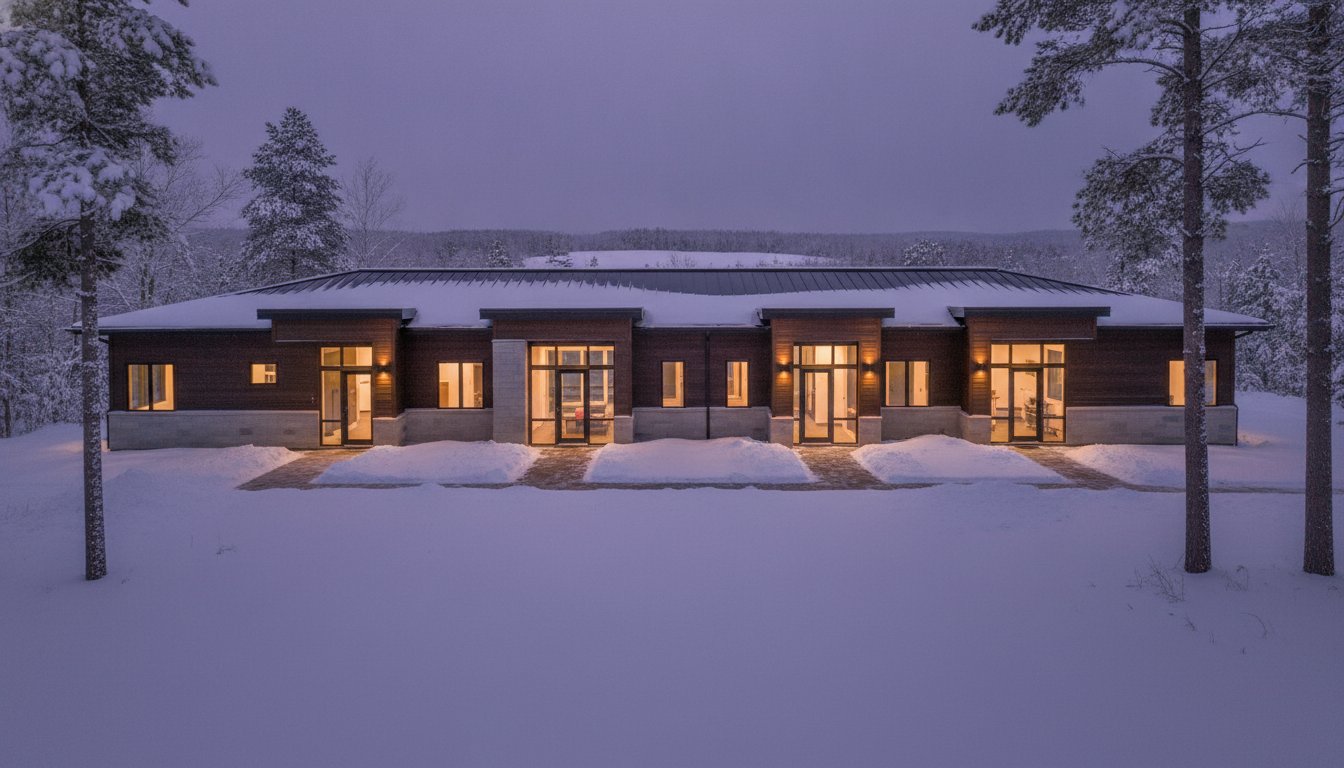
In Northern Michigan, the environment is a primary variable in a property's financial performance rather than a simple backdrop. Maintaining a portfolio in this region requires a disciplined approach that accounts for the physical toll of Lake Effect snow and the logistical challenges of a seasonal labor market. Effective rental property maintenance Northern Michigan demands a transition from reactive, high-cost repairs to a structured system of preventative care. You likely recognize that the difficulty of securing reliable contractors during peak winter months often leads to emergency expenses that erode your expected returns.
We believe that property upkeep should be treated as a precise engineering process rather than a series of unfortunate events. This 2026 strategic guide offers a standardized framework for mastering these complexities through rigorous inspection systems and vetted vendor coordination. You will learn how to implement a maintenance schedule that preserves asset value against the harshest climates. We will outline the technical requirements for winterization, the benefits of a centralized repair network, and the specific protocols necessary to ensure your investment remains stable and profitable throughout the year.
Key Takeaways
- Shift from reactive repairs to standardized management systems to mitigate the structural risks posed by extreme Lake Effect weather patterns.
- Establish a disciplined framework for rental property maintenance Northern Michigan to ensure predictable operational costs and long-term asset value.
- Follow a rigorous seasonal timeline for preventative inspections to maintain building envelope integrity during the harsh winter months.
- Mitigate liability and ensure 24/7 emergency readiness by utilizing a vetted network of licensed and insured local contractors.
- Adopt professional maintenance coordination to transform property upkeep into a structured, hands-off investment process.
The Unique Challenges of Rental Property Maintenance in Northern Michigan
In the high-stakes environment of the Upper Great Lakes, rental property maintenance Northern Michigan is defined less by routine repairs and more by the technical preservation of the building envelope. The regional climate, characterized by extreme thermal fluctuations and high moisture levels, subjects residential and commercial structures to significant physical stress. Beyond the physical environment, Michigan law establishes strict landlord responsibilities regarding the "habitable" condition of a rental unit. This legal framework requires that all essential systems, including heating and structural integrity, remain functional regardless of external weather conditions. Failure to implement a rigorous maintenance strategy often results in accelerated depreciation and potential legal liability.
Seasonal vacancies, common in certain Northern Michigan markets, frequently exacerbate these issues. When a property remains unoccupied during transition months, minor failures like a failing sump pump or a small roof leak can escalate into catastrophic mold growth or structural rot before they are detected. Maintaining a property here requires a transition from a reactive "fix-it" mindset to a disciplined, engineering-focused management system that accounts for the region's specific environmental variables.
Climate Factors: From Deep Freezes to Summer Humidity
The structural integrity of properties in Petoskey and Boyne City is constantly challenged by aggressive freeze-thaw cycles. These cycles cause rapid expansion and contraction in masonry and foundations, leading to micro-fissures that compromise the building's seal. In Emmet County, the primary winter concern is the formation of ice dams. These occur when poor attic insulation allows heat to escape, melting snow on the roof which then refreezes at the eaves. This process forces water under shingles and into interior walls, causing hidden damage that often goes unnoticed until spring. During the summer, high humidity levels near Lake Michigan place immense pressure on HVAC systems. Without precise moisture control and dehumidification protocols, properties are at a heightened risk for mold colonization within wall cavities and crawlspaces.
The Logistics of Rural and Semi-Rural Maintenance
Executing effective rental property maintenance Northern Michigan is further complicated by the region's unique geography. Securing qualified vendors in areas like Gaylord or Indian River is difficult during peak seasons when local contractors are at maximum capacity. Distance and snow-covered roads significantly impact emergency response times; a simple pipe burst can become a total loss if a technician cannot reach the site within a narrow window. This logistical reality necessitates a pre-established, vetted contractor network. Relying on unvetted "handymen" for complex mechanical systems is a high-risk strategy. A professional approach requires partnerships with licensed specialists who understand the specific requirements of Northern Michigan's rural infrastructure and are committed to 24/7 readiness during the heavy snow months.
Reactive vs. Proactive: Implementing Standardized Maintenance Systems
Professional rental property maintenance Northern Michigan requires a shift from the traditional "break-fix" model to a Standardized Management System (SMS). This approach, borrowed from industrial engineering, treats property upkeep as a series of controlled, repeatable processes rather than a sequence of unpredictable crises. In a reactive model, the landlord waits for a tenant complaint or a system failure. This typically occurs at the worst possible time, such as a furnace failure during a February blizzard. By contrast, a proactive system identifies these vulnerabilities through scheduled interventions, ensuring the property operates at peak efficiency year-round.
The financial disparity between these two methods is stark. Emergency repairs often carry significant premiums for after-hours labor and expedited parts shipping. Over a five-year period, properties managed under a standardized system consistently show lower total capital expenditures. Beyond immediate cost savings, comprehensive documentation and standardized reporting create a verifiable "service history" for the asset. Much like a well-maintained industrial machine, a property with a transparent maintenance log commands a higher valuation during resale. It provides the buyer with certainty regarding the structural and mechanical integrity of their investment.
The Anatomy of a Standardized Maintenance Protocol
A robust protocol begins with a tiered inspection schedule. Quarterly reviews focus on high-risk safety items and moisture intrusion, while semi-annual inspections address seasonal transitions. These are supplemented by standardized move-in and move-out checklists that quantify property condition with precision. This data-driven approach allows for predictive maintenance. Instead of waiting for a water heater to flood a basement, a professional manager tracks the age and performance data of the unit to recommend replacement before the end of its projected lifecycle. Utilizing modern technology to track these maintenance requests ensures that no task is overlooked and vendor performance remains consistent.
Financial Impact: Maintenance as ROI Preservation
Proactive maintenance isn't a cost; it's a strategy for ROI preservation. By addressing minor issues like gutter alignment or chimney flashing before they cause structural damage, you protect the core value of the building. For Michigan property owners, the fees associated with professional maintenance coordination are generally tax-deductible as ordinary and necessary business expenses. This reduces your net tax liability while improving the physical quality of the asset. To ensure your protocols align with state-specific mandates, consult our detailed resource on Michigan Landlord Laws: A 2026 Guide. Transitioning to a structured system ensures your investment remains a stable asset rather than a source of financial volatility.
Seasonal Maintenance Requirements for Northern Michigan Rentals
Standardized rental property maintenance Northern Michigan follows a strict chronological path dictated by the thermal shifts of the Great Lakes. In regions like Petoskey and Traverse City, the window for structural intervention is narrow. Owners must distinguish between cosmetic updates, such as interior painting, and structural maintenance that ensures building envelope integrity. For 2026, climate resilience focuses on hardening the property against increased precipitation and higher-than-average humidity levels. The technical execution of rental property maintenance Northern Michigan during these shifts requires pre-scheduled vendor commitments. Attempting to secure a licensed HVAC technician or roofing specialist after the first frost is an inefficient strategy that often leads to inflated emergency costs.
A disciplined maintenance calendar prioritizes systems that sustain habitability and prevent long-term depreciation. Structural preparation involves the inspection of the roof, foundation, and mechanical systems. Cosmetic preparation, while important for tenant retention, remains secondary to the operational stability of the asset. By booking vendors six months in advance, property owners maintain control over their maintenance budgets and avoid the seasonal labor shortages common in Emmet and Charlevoix counties.
Winterization and Snow Management Protocols
The pre-November phase is the most critical period for asset protection. The objective is to secure the thermal envelope and ensure mechanical reliability before the arrival of Lake Effect snow. Standardized protocols include:
- Mechanical Verification: Comprehensive furnace inspections and filter replacements to prevent mid-winter failures.
- Thermal Protection: Insulating exposed pipes in crawlspaces and sealing window gaps to mitigate heat loss.
- Snow Removal Logistics: Establishing standardized vendor contracts that clearly define liability and trigger points for clearing driveways and walkways.
- Emergency Readiness: Coordinating 24/7 emergency response protocols specifically for heating failures, which are a legal habitability requirement in Michigan.
Spring Thaw and Summer Readiness
The spring melt presents significant risks for moisture intrusion and foundation stress. As the snowpack recedes, the focus shifts to water management and exterior preservation. Maintenance tasks for this period include:
- Drainage Systems: Clearing gutters and downspouts while verifying that foundation grading directs water away from the structure.
- Exterior Envelope: Inspecting for winter damage and scheduling deck or siding staining to protect against UV radiation and moisture absorption.
- Cooling Systems: Servicing AC units before the summer humidity peaks to ensure efficient operation and mold prevention.
- Transition Inspections: Utilizing a rigorous "Spring Cleaning" move-out checklist to identify any hidden damage caused by winter tenant activity.

Vetting Local Contractors and Managing Emergency Repairs
The operational success of rental property maintenance Northern Michigan depends entirely on the technical proficiency of the vendors executing the work. Many owners fall into the trap of hiring unvetted "handymen" for complex mechanical or structural repairs to save on immediate costs. This approach introduces significant risk; improper repairs to a high-efficiency furnace or a complex roofing system can lead to secondary failures that far exceed the initial savings. A professional management framework replaces this uncertainty with a vetted vendor network. These specialists are selected based on their proven reliability, technical certifications, and ability to operate within the specific constraints of the Northern Michigan environment.
A common objection to professional coordination is the perceived increase in cost. In reality, a structured management system ensures fair pricing through volume-based relationships and competitive bidding. Vendors prioritize work from professional firms because of the consistent volume and clear project specifications provided. This professional leverage allows individual property owners to access high-quality labor that is often unavailable to the general public during peak seasons. In this region, an "emergency" is strictly defined by events that threaten habitability or structural integrity, such as a total loss of heat in mid-winter, burst pipes, or significant storm damage. These scenarios require a pre-planned, immediate response to prevent a manageable issue from becoming a total loss.
The Vetting Process: Ensuring Quality in Emmet and Charlevoix
In Emmet and Charlevoix counties, the vetting process begins with the verification of Michigan builder licenses and comprehensive liability insurance. It's not enough for a contractor to be "local"; they must possess a deep understanding of regional building codes and the specific structural requirements for heavy snow loads. We maintain a rigorous database of specialists who have demonstrated a commitment to quality and punctuality. This localized expertise ensures that every repair, from a window seal to a foundation adjustment, is performed to engineering standards that withstand the local climate.
Standardizing the Emergency Response
Managing a crisis requires a disciplined 24/7 intake process. When a tenant reports a failure, the request enters a triage system designed to distinguish between urgent structural threats and routine maintenance tasks. This prevents the unnecessary dispatch of high-cost emergency technicians for non-critical issues. Once an emergency is confirmed, a communication loop is established between the manager, the tenant, and the owner. This ensures all parties are informed of the repair status and the projected timeline for resolution. If you are struggling to find reliable help during the winter months, our professional maintenance coordination provides the infrastructure needed to protect your assets around the clock.
How Professional Maintenance Coordination Protects Your Investment
Effective rental property maintenance Northern Michigan is not merely an operational necessity; it's a strategic component of wealth preservation. While individual repairs address immediate failures, professional coordination provides a comprehensive layer of oversight that protects the asset’s long-term viability. By combining standardized management systems with localized human expertise, we transform property upkeep from a source of owner anxiety into a predictable, hands-off investment process. Human interaction remains vital; our coordinators act as the essential link between the technical data provided by our systems and the practical needs of tenants and owners. This level of 24/7 oversight in Petoskey, Boyne City, and the surrounding regions ensures that environmental risks are mitigated before they impact your bottom line. We believe that a property is a complex machine that requires structured maintenance to maintain peak performance and investor peace of mind.
The Van Treese Advantage: Systems, Not Just Service
Our approach prioritizes systems over sporadic service. Standardized maintenance protocols directly influence tenant satisfaction by ensuring a reliable living or working environment, which significantly reduces turnover rates in the competitive Northern Michigan market. Tenants who experience prompt, professional resolutions to maintenance issues are statistically more likely to renew their leases, preserving your cash flow. We integrate maintenance data directly into our financial reporting, providing owners with a transparent view of how upkeep expenditures correlate with property performance over time. Our team utilizes local market research to assess how specific improvements or preventative measures impact property valuations, allowing you to make data-driven decisions regarding capital investments. This integration ensures that every dollar spent on maintenance is an investment in the property's future market position.
Next Steps for Northern Michigan Landlords
Transitioning to a professional management structure begins with a rigorous property evaluation. This process identifies existing maintenance gaps and vulnerabilities within the building envelope or mechanical systems that could compromise your rental property maintenance Northern Michigan strategy. We analyze the current state of your portfolio and propose a structured timeline that aligns with regional climate demands and your financial objectives. For owners seeking deeper technical insights and specific checklists for the upcoming season, we recommend reviewing our comprehensive Rental Property Maintenance Northern Michigan: The 2026 Landlord’s Guide. To discuss a tailored strategy for your portfolio and move toward a more disciplined management model, Consult with Van Treese Management for Maintenance Coordination.
Securing Long-Term Asset Stability through Strategic Maintenance
Success in the Northern Michigan rental market requires a disciplined departure from ad-hoc repairs in favor of a systems-based approach. We've established that standardized protocols and proactive seasonal transitions are the only reliable methods for protecting the building envelope from extreme environmental stress. By shifting the management focus toward preventative care, owners stabilize their operational costs and preserve the underlying value of their residential or commercial portfolios. This transition ensures that the asset remains a high-performing component of your broader financial strategy rather than a source of unpredictable liability.
Professional coordination provides the infrastructure needed to manage these logistical complexities with engineering precision. Implementing a rigorous framework for rental property maintenance Northern Michigan ensures your investment remains resilient against Lake Effect snow and high summer humidity. Our methodology integrates a vetted network of local contractors with a 24/7 emergency response coordination system to maintain structural integrity year-round. You can effectively transform property upkeep into a structured, hands-off process by adopting these standardized maintenance systems. Protect Your Investment with Van Treese Maintenance Coordination. We're ready to provide the stability and technical expertise required to manage your assets with absolute precision.
Frequently Asked Questions
What is considered an emergency repair for a Northern Michigan rental?
Emergency repairs are defined as any event that immediately threatens tenant safety, structural integrity, or essential habitability. This includes a total loss of heat during winter months, burst plumbing, or significant storm damage like fallen trees. We prioritize these issues to prevent secondary damage, such as mold growth or foundation erosion, which can escalate repair costs if left unaddressed for even a few hours.
Who is responsible for snow removal at a rental property in Michigan?
Responsibility for snow removal is typically established within the written lease agreement. In multi-family or commercial properties, the landlord generally manages snow removal to ensure compliance with local ordinances and consistent access. For single-family rentals, the tenant often handles routine clearing; however, many professional owners include these services in the rent to ensure liability protection and prevent damage to driveways from unvetted plowing services.
How much should I budget for annual maintenance on a Petoskey rental property?
A standard benchmark for rental property maintenance Northern Michigan is to reserve 1% to 2% of the property's total value annually for upkeep. This percentage accounts for the accelerated wear caused by extreme thermal shifts and heavy Lake Effect precipitation. Maintaining this reserve ensures you have the capital necessary for large-scale preventative tasks, such as roof maintenance or HVAC system replacements, without impacting your monthly cash flow.
How often should I inspect my rental property in Northern Michigan?
We recommend a quarterly inspection schedule to effectively manage the transition between extreme seasons. This frequency allows for the early detection of moisture intrusion or mechanical inefficiencies before they become critical failures. More frequent reviews are often necessary during the spring thaw when foundation drainage and gutter performance are under the highest level of structural stress due to melting snowpacks.
Do property management companies in Traverse City handle 24/7 emergency calls?
Professional management firms in the region typically provide 24/7 emergency response coordination as a core service. At Van Treese Management, we utilize a structured intake process to triage tenant calls at any hour. This ensures that life-safety issues receive immediate attention from our vetted specialists while routine requests are scheduled during normal business hours to control unnecessary after-hours labor costs.
What maintenance is required for a rental property to be legally habitable in Michigan?
Michigan law requires landlords to maintain properties in a condition that's fit for the use intended and in reasonable repair. This includes ensuring functional heating systems capable of maintaining safe temperatures, potable water, and a weatherproof building envelope. Failure to maintain these essential services can lead to legal liability and may permit tenants to pursue repair-and-deduct remedies under specific state statutes.
Can I use my own contractors if I hire a maintenance coordination service?
While we utilize a vetted network of contractors to ensure quality control, owners can often suggest their own preferred vendors for rental property maintenance Northern Michigan. These contractors must meet our rigorous standards for Michigan builder licensing, liability insurance, and proven reliability. Using our pre-established network generally provides better pricing and faster response times due to our volume-based professional relationships with regional specialists.
How does Lake Effect snow impact property maintenance costs?
Lake Effect snow increases maintenance costs by necessitating frequent snow removal and specialized roof care to prevent ice dams. The weight of heavy, wet snow places significant structural stress on building envelopes, while the subsequent melt increases the risk of basement flooding. Proactive winterization and standardized snow management protocols are the most effective ways to mitigate these specific climate-driven expenses.