
Multifamily Property Management in Grand Rapids: The 2026 Investor’s Guide
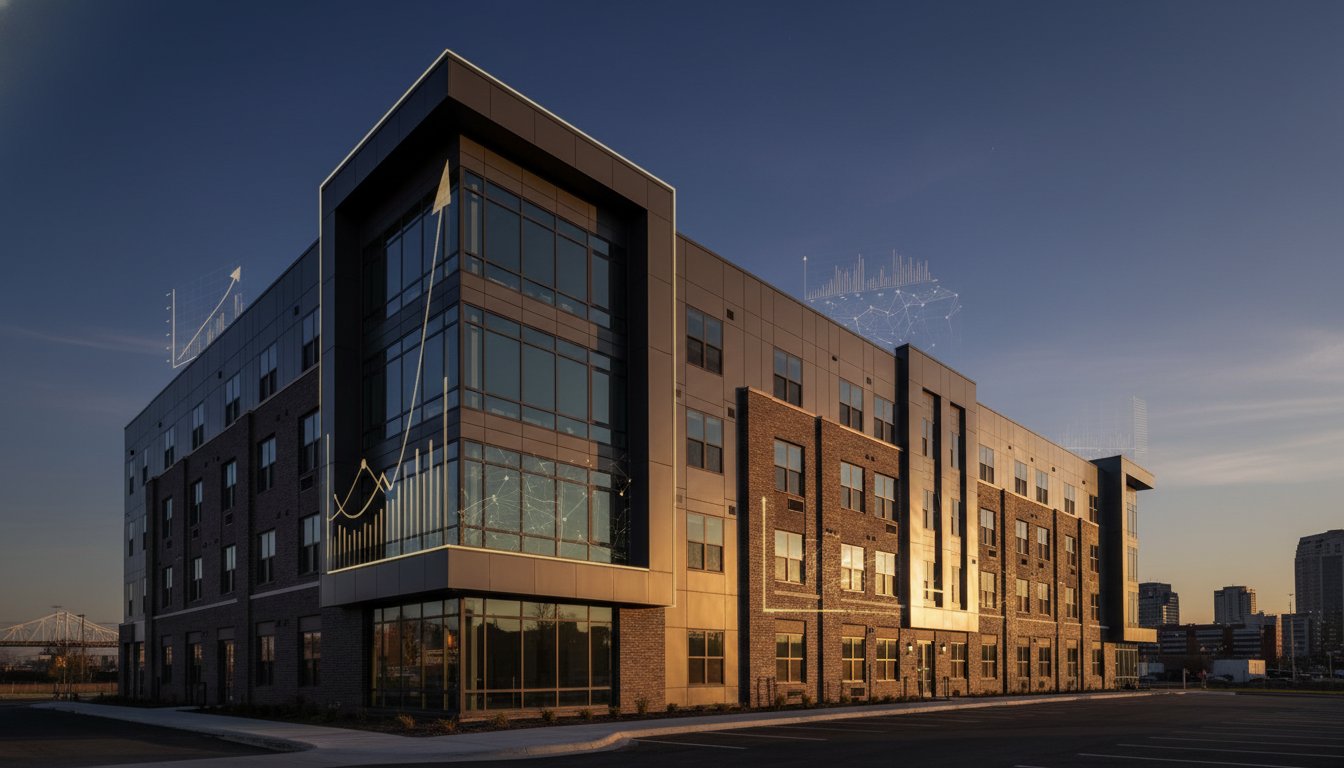
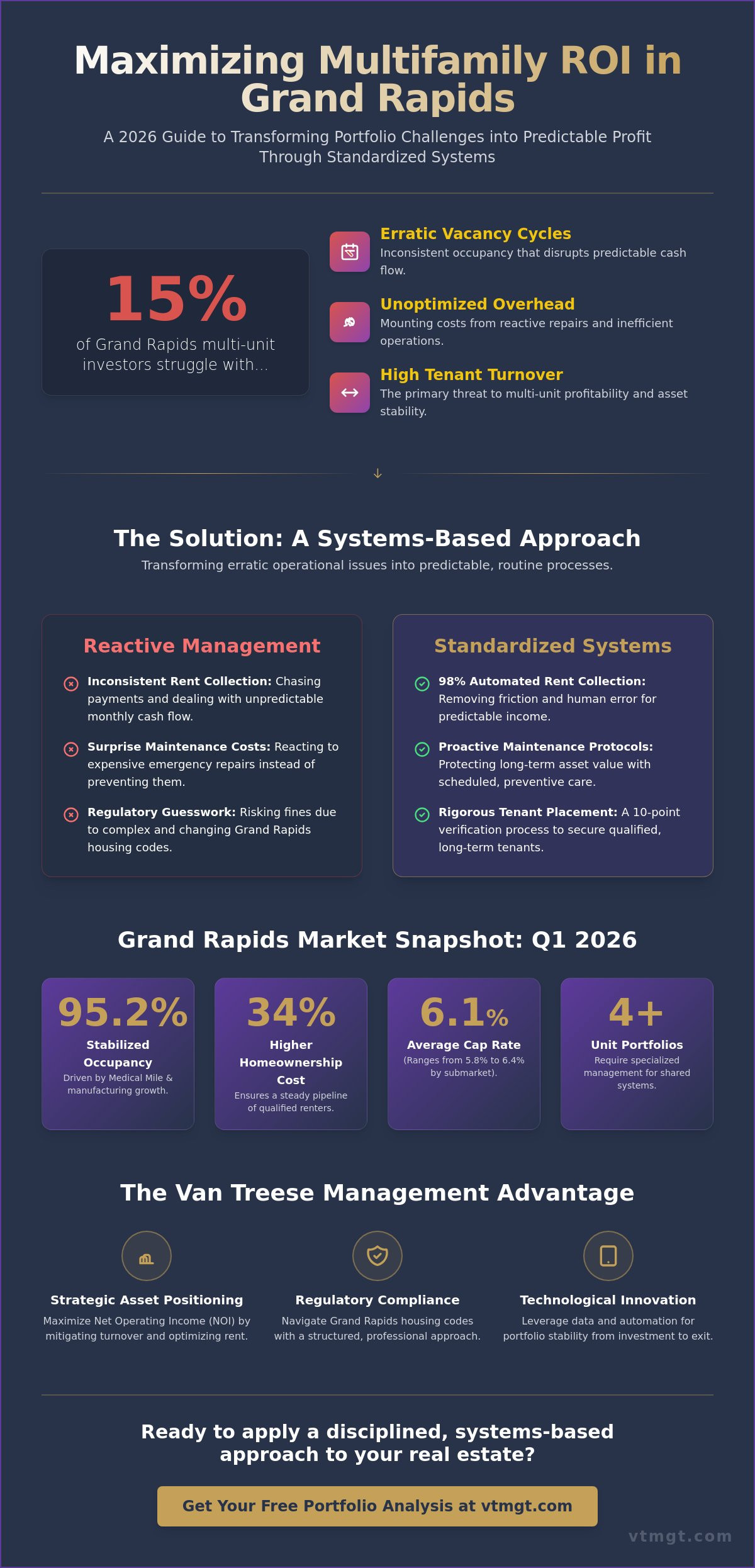
In 2024, Grand Rapids was ranked among the top 10 hottest housing markets in the United States, yet nearly 15% of local multi-unit investors still struggle with erratic vacancy cycles and unoptimized overhead. You probably understand that managing a portfolio in West Michigan requires more than just a list of local contractors. It's common to feel the strain of inconsistent rent collection or the mounting costs of high turnover in a competitive rental environment. These operational gaps don't just cause stress; they directly impact your bottom line.
This 2026 guide explains how professional multifamily property management Grand Rapids expertise leverages standardized systems to maximize your ROI. You'll learn how to replace financial uncertainty with predictable monthly cash flow and rigorous maintenance protocols. We'll examine the specific frameworks for transparent reporting and professional compliance with Grand Rapids housing codes that protect your long-term asset value. By applying a disciplined, systems-based approach to your real estate, you can transform complex multi-unit challenges into a stable, high-performing investment vehicle.
Key Takeaways
- Gain a strategic overview of the 2026 West Michigan rental market to align your portfolio with current occupancy trends and regional demand.
- Learn how implementing standardized systems in multifamily property management Grand Rapids transforms erratic operational issues into predictable, routine processes for assets with 4+ units.
- Discover the specific asset positioning strategies required to maximize Net Operating Income (NOI) by effectively mitigating turnover, the primary threat to multi-unit profitability.
- Navigate the complexities of Grand Rapids City Commission housing codes and maintenance logistics through a structured approach to regulatory compliance.
- Understand how a precision-oriented management partnership leverages technological innovation to provide a comprehensive solution from initial investment to long-term portfolio stability.
The Grand Rapids Multifamily Landscape in 2026
The landscape of Grand Rapids, Michigan in 2026 reflects a mature urban economy where rental demand consistently outpaces supply. Professional multifamily property management Grand Rapids serves as the technical backbone for this growth. It's no longer just about collecting rent; it's about managing complex physical assets and high-density human environments with engineering-like precision. As of Q1 2026, the city maintains a stabilized occupancy rate of 95.2%, driven by the continued expansion of the Medical Mile and the regional manufacturing corridor. Investors have shifted their focus from speculative gains to operational efficiency, requiring a management style that prioritizes long-term asset health over short-term cost-cutting.
Professional management in West Michigan is now defined by data-driven decision-making and rigorous preventive maintenance. It's a move away from the reactive repairs of the past toward a systematic approach that mirrors industrial facility management. This transition is vital as the city's infrastructure ages and tenant expectations for smart-home integration and energy efficiency increase. Managing these expectations requires a disciplined framework that ensures every unit contributes to the portfolio's overall performance.
Market Trends Shaping West Michigan Real Estate
Kent County's economic stability relies on the healthcare, education, and manufacturing sectors. Corewell Health and the expanding aerospace manufacturing corridor continue to draw a specialized workforce to the region. With 2026 mortgage rates stabilizing at 5.75%, the cost of homeownership remains 34% higher than average monthly rents in the city. This financial delta ensures a steady pipeline of qualified tenants for well-maintained apartment communities. Average capitalization rates for multifamily assets in Grand Rapids currently range from 5.8% to 6.4% depending on asset class and submarket location.
Multifamily vs. Single-Family Management Logistics
Managing a 24-unit building differs fundamentally from overseeing a portfolio of single-family homes. The technical complexity of shared systems like industrial-grade HVAC units, flat roofing membranes, and fire suppression arrays requires a specialized maintenance schedule. Scaling tenant communications requires a centralized digital infrastructure to maintain response times under 24 hours without sacrificing the personal attention tenants expect. Higher density leads to accelerated wear-and-tear on common areas, making proactive capital expenditure planning essential for long-term valuation. Small-to-mid-sized investors are increasingly adopting institutional-grade multifamily property management Grand Rapids protocols to mitigate these operational risks and protect their equity.
Standardized Systems: The Engine of Portfolio Stability
Scaling a portfolio beyond four units requires a transition from reactive fixes to proactive, repeatable management. In 2026, effective multifamily property management in Grand Rapids relies on the same principles as industrial engineering: precision, consistency, and data-driven calibration. VTMG approaches each property as a complex system where erratic issues are transformed into routine processes. We don't rely on luck; we rely on established protocols that eliminate the volatility often associated with residential real estate.
Automation serves as the backbone of this stability. Our digital rent collection systems ensure a 98% collection rate by removing friction and human error from the transaction. Beyond simple payments, we utilize data analytics to predict vacancy patterns before they occur. By identifying these trends, we optimize lease cycles to align with high-demand periods in the Grand Rapids market. This technical approach keeps units occupied and cash flow predictable. It's about maintaining the "machine" of the property through constant monitoring and adjustment.
Standardized Tenant Placement and Leasing
Tenant selection isn't a matter of intuition. It's a rigorous 10-point verification process. We analyze credit scores, criminal records, and eviction histories against specific Grand Rapids demographic benchmarks. Our standardized lease agreements are built to protect owner interests while adhering strictly to Michigan landlord laws. Understanding the nuances of Michigan landlord-tenant laws is vital for long-term compliance and risk mitigation. Digital showings and automated move-in protocols further reduce the time a unit stays offline between residents, ensuring the asset remains productive.
Maintenance Coordination and Vendor Management
A property's physical condition directly impacts its valuation. We maintain a vetted network of local contractors who understand the specific structural needs of multifamily property management in Grand Rapids. By implementing preventative maintenance schedules, we've seen emergency repair costs drop by 20%. Each work order generates a standardized report, ensuring full transparency for the owner. This level of detail allows us to track the lifecycle of every major component, from HVAC systems to roofing. If you're ready to professionalize your operations, VTMG's management systems provide the structural support your portfolio needs.
Maximizing ROI through Strategic Asset Positioning
Net Operating Income (NOI) serves as the definitive benchmark for evaluating asset performance in the 2026 market. Effective multifamily property management Grand Rapids requires a focus on both revenue enhancement and rigorous expense control. We treat every property as a technical system where every variable must be optimized to ensure long-term stability. This isn't about guesswork; it's about applying a disciplined methodology to asset growth.
Turnover remains the primary obstacle to profitability in multifamily real estate. Industry analysis indicates that a single unit vacancy can cost an owner between $3,000 and $5,000 in direct and indirect expenses, including lost rent and marketing costs. Reducing this rate by even 15% significantly stabilizes the bottom line. Strategic value-add opportunities, such as high-efficiency HVAC systems or integrated smart-home technology, provide measurable returns. These aren't merely aesthetic choices. They're technical investments that allow for rent premiums of 8% to 12% above the local baseline. Precision in financial reporting is also non-negotiable. Our approach replaces basic spreadsheets with automated, investor-grade data systems that ensure 100% transparency in cash flow and capital expenditure tracking.
Tenant Retention and Human Interaction
Direct human interaction remains a critical variable in tenant stability. While digital portals handle transactions, personal conflict resolution prevents localized friction from escalating into lease terminations. Building a sense of community within a complex reduces the likelihood of neighbor friction, which is a leading cause for non-renewals. We prioritize structured communication and professional mediation to maintain a 92% or higher retention rate. It's a calculated strategy to protect the asset's occupancy levels.
Revenue Optimization and Market Analysis
Setting rent prices requires a data-driven methodology rather than intuition. By analyzing current Grand Rapids demographic data, we align pricing with local income shifts and housing demand. Revenue isn't limited to base rent alone. Implementing Ratio Utility Billing Systems (RUBS) allows for the recovery of 75% to 90% of utility costs, which directly increases the property's valuation. Strategic marketing then targets high-stability tenants who meet rigorous credit and background parameters. This ensures the asset remains occupied by residents who value the property's professional standards and technical reliability.
Navigating Grand Rapids Regulations and Maintenance Logistics
Effective multifamily property management Grand Rapids requires a systematic approach to local ordinances and technical infrastructure. The Grand Rapids City Commission enforces a rigorous inspection cycle, typically occurring every four years for properties that maintain high compliance scores. Investors must prioritize these benchmarks to avoid administrative fines and ensure the structural integrity of their assets. Standardizing these protocols is a hallmark of professional multifamily property management Grand Rapids services, where data-driven maintenance prevents regulatory bottlenecks.
Liability mitigation begins with precise safety checks. We recommend quarterly audits of fire suppression systems and egress routes to ensure all components function within specified parameters. In Kent County, handling evictions requires strict adherence to the 61st District Court’s procedural requirements. Professionalism in these legal matters protects the landlord’s reputation and minimizes the risk of costly counterclaims. For investors managing portfolios that extend into the northern regions, understanding the specific technical requirements for rental property maintenance in Northern Michigan is essential for maintaining long-term ROI.
Local Compliance and Fair Housing
Michigan's security deposit statutes, specifically MCL 554.601, demand precise accounting and strict adherence to timelines. Property owners must return deposits or provide detailed, itemized lists of damages within 30 days of lease termination. Staying ahead of these evolving statutes prevents litigation and maintains tenant trust. Additionally, 2026 energy efficiency standards now require multi-unit buildings to implement specific insulation and HVAC performance metrics to reduce the city's overall carbon footprint. Every non-owner-occupied residential unit in Grand Rapids must maintain an active Certificate of Compliance through the City’s Code Compliance Division to operate legally in 2026.
West Michigan Seasonal Logistics
The West Michigan climate dictates a disciplined maintenance schedule that can't be ignored. Snow removal protocols for large parking lots and walkways must be established by October 15th to ensure tenant safety and mitigate slip-and-fall liability. We utilize GPS-tracked plowing services to provide documented proof of service, which is a critical component of risk management during heavy lake-effect snow events.
Standardized spring inspections are vital for identifying damage caused by the winter freeze-thaw cycle. We focus on roofing systems, gutter integrity, and foundation masonry to catch issues before they become structural crises. Landscaping and curb appeal management aren't just aesthetic choices; they maintain the property’s market value and street presence. A well-maintained exterior signals professional oversight and attracts high-quality tenants who value a stable living environment.
Secure your investment with a partner who understands the technical demands of the local market. Contact VTMG today to optimize your property’s performance and ensure full regulatory compliance.
The Van Treese Advantage for Grand Rapids Multifamily Owners
Van Treese Management Group (VTMG) applies a systematic, engineering-led approach to the multifamily property management Grand Rapids investors require for 2026. Our methodology prioritizes operational stability and technical precision over common industry marketing tactics. This commitment makes us the preferred partner for investing in rental property in Northern Michigan and the Grand Rapids metro area. We treat every asset as a complex system where every component, from HVAC efficiency to lease compliance, must function within tight tolerances.
Our firm bridges the gap between standardized global systems and local market expertise. While we utilize advanced CAD/CAM principles for maintenance planning and ISO-inspired quality controls, our team remains deeply rooted in the West Michigan community. This dual perspective allows us to implement sophisticated portfolio strategies while understanding the specific nuances of Grand Rapids neighborhoods like Heritage Hill or East Hills. We don't just collect rent; we engineer profitable, sustainable housing solutions.
Our Standardized Onboarding Process
The first 30 days of our partnership define the long-term success of your portfolio. We begin with an exhaustive property audit that evaluates 50 distinct structural and mechanical data points. This initial phase ensures that your assets are accurately benchmarked against 2026 market standards. Our team handles the tenant communication transition with professional formality, setting clear expectations for rent collection and maintenance requests from day one.
Financial transparency is the cornerstone of our management philosophy. We integrate your assets into our centralized reporting portal, which provides real-time access to financial performance metrics. Owners receive:
- Detailed P&L statements generated by the 5th of each month.
- Real-time maintenance logs with cost-per-unit breakdowns.
- Automated distribution of funds via secure ACH transfers.
- Comprehensive tax documentation and year-end reporting.
Building Thriving Grand Rapids Communities
VTMG is dedicated to improving the local housing stock through rigorous professional oversight. We believe that multifamily property management Grand Rapids should contribute to the overall health of the neighborhood. By maintaining high standards for unit turnover and preventative maintenance, we've seen managed assets contribute to a 12% to 18% increase in surrounding property values over a five-year cycle. Our fegyelmezett (disciplined) approach ensures that your property remains a desirable place to live, which naturally reduces vacancy rates and turnover costs.
Professional management is a long-term investment in community stability. We manage the complexities of tenant relations and local compliance so you can focus on portfolio expansion. If you're ready to transition your assets to a management partner that values precision and results, it's time to start the conversation. Contact Van Treese Management for a Multifamily Consultation to review your portfolio's performance and identify optimization opportunities.
Future-Proofing Your Portfolio Through Technical Precision
Navigating the 2026 market requires more than just basic oversight; it demands a technical approach to asset preservation. Since our founding in 2018, VTMG has focused on integrating standardized systems that provide portfolio stability across both residential and commercial sectors. Success in this landscape relies on precise asset positioning and a deep understanding of Michigan's evolving regulatory framework. Our expertise spans the specific demands of the Grand Rapids and Northern Michigan markets, ensuring every operational process meets high engineering standards for reliability and efficiency.
Effective multifamily property management Grand Rapids investors count on is built on these repeatable, data-driven frameworks. We manage the complexities of maintenance logistics and tenant relations so you can focus on long-term growth. It's time to transition from reactive management to a model of precision and stability. We're ready to help you optimize your holdings for the next decade of market shifts and ensure your assets remain competitive in a changing economy.
Schedule Your Professional Portfolio Analysis with VTMG
Frequently Asked Questions
What are the typical fees for multifamily property management in Grand Rapids?
Management fees for multifamily assets in West Michigan typically range from 4% to 8% of the gross monthly income according to 2025 industry benchmarks. Our firm utilizes a structured fee model that reflects the specific operational requirements of your portfolio. We ensure all costs are transparent and aligned with the technical complexity of the services provided.
How do you handle emergency maintenance for a 20-unit building in Grand Rapids?
We deploy a 24/7 centralized dispatch system that guarantees a 2-hour response window for all critical system failures. For a 20-unit building, our protocol involves immediate mobilization of pre-vetted mechanical and plumbing contractors. We prioritize life-safety issues and the preservation of the building's structural integrity to prevent secondary damage or loss of use.
Does Van Treese Management handle tenant screening for all units?
Yes, we implement a standardized 5-point verification process for every applicant across all units we manage. Our screening includes a 7-year criminal background check, credit history analysis, and direct employment verification. This rigorous approach ensures that only qualified residents occupy your multifamily property management Grand Rapids assets, which maintains the stability of your investment.
What is the eviction process like in Kent County in 2026?
The eviction process in Kent County follows the Michigan Summary Proceedings Act, which currently takes between 30 and 45 days from the initial notice to the court hearing. In 2026, the 17th Circuit Court requires all landlord-tenant filings to be processed through their digital portal. We manage the entire legal timeline, including the delivery of 7-day or 30-day notices, to ensure full compliance with local statutes.
Can you manage commercial and residential units within the same mixed-use building?
We provide integrated management solutions for mixed-use assets that combine residential units with commercial lease structures. Our team handles the distinct requirements of NNN commercial leases alongside traditional residential agreements. We apply engineering-grade oversight to shared building systems like HVAC and fire suppression to optimize the operational efficiency of the entire structure.
How often will I receive financial reports for my Grand Rapids property?
You'll receive comprehensive financial statements by the 10th business day of each month. Our reporting package includes balance sheets, income statements, and general ledgers that undergo a two-step internal audit for accuracy. These documents are available 24/7 through a secure owner portal to provide full transparency for your multifamily property management Grand Rapids investment.
Do you help with property valuations and market research for new acquisitions?
We assist investors with data-driven market analysis and Pro Forma modeling for potential acquisitions in the Kent County area. Our research incorporates current cap rates for the Grand Rapids submarket, which averaged 5.8% for Class B assets in late 2025. We analyze rent rolls and projected operating expenses to determine the true Net Operating Income of a target asset.
What makes VTMG different from other Grand Rapids management companies?
VTMG distinguishes itself through a process-driven methodology rooted in industrial precision and technical expertise. We don't just collect rent; we manage the physical and financial lifecycle of the asset using disciplined maintenance protocols. Our team treats every property as a complex system requiring constant optimization, which reduces long-term capital expenditures and provides superior stability for our partners.